
What Happens If Your Cruise Ship Is Delayed or Misses a Port in South America? A Cruiser's Consumer Guide
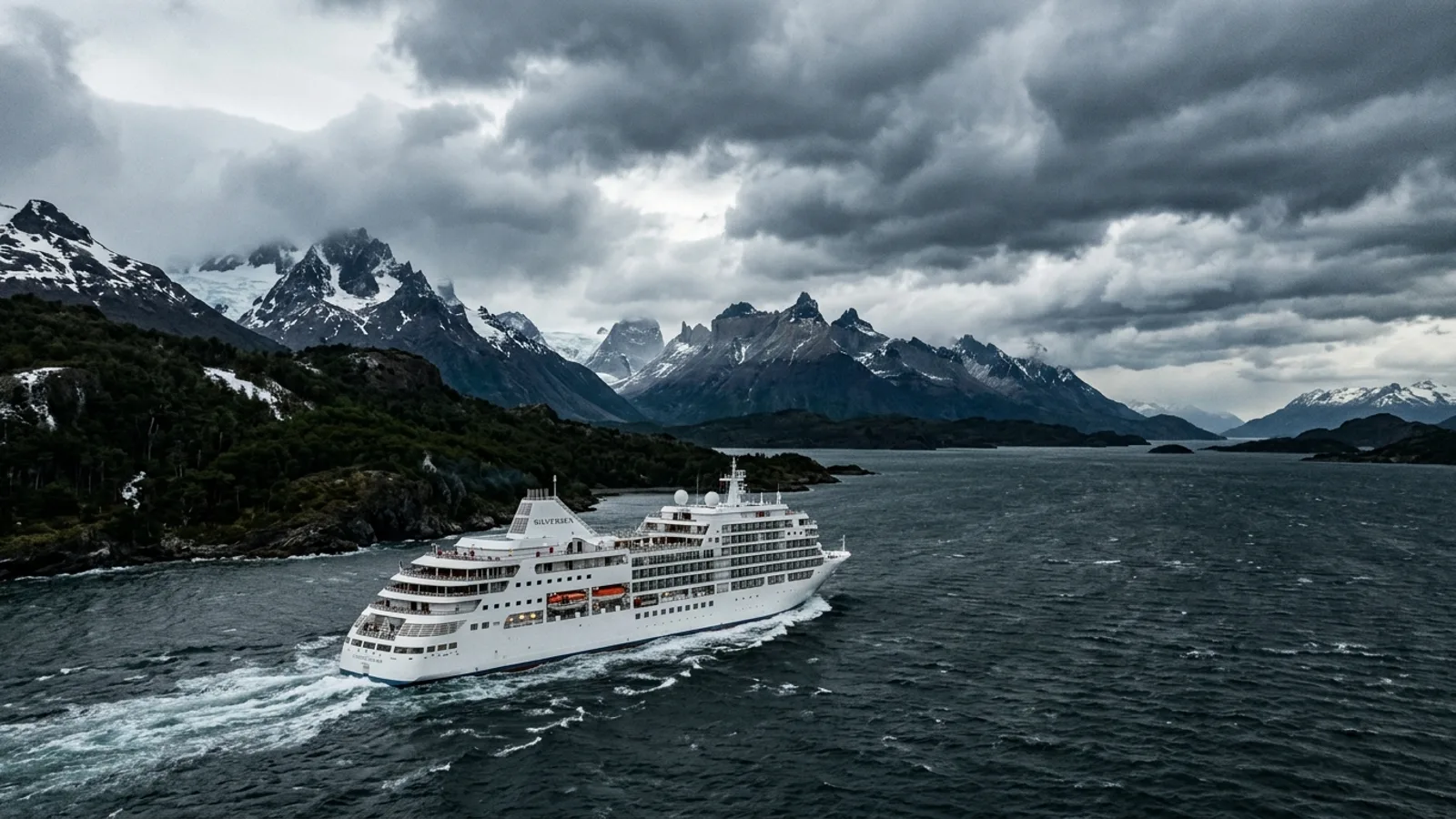
Quick answer: If your ship is delayed or skips a port, what happens to your shore excursion depends on who you booked it with. Tours booked through the cruise line are canceled and refunded automatically. With an independent operator, it depends entirely on their cancellation policy: some refund in full, while others keep your money or offer only a credit. Before booking, verify that the policy promises a full refund if the ship arrives late or cannot dock. Delays are most common in tender ports like Punta del Este and Puerto Montt, and in windy Patagonian ports like Puerto Madryn and Punta Arenas.
If you spend ten minutes reading South America roll-call threads for Princess, Holland America, Viking, or Celebrity, the same debate comes up repeatedly: Is it safe to book independent shore excursions in Patagonia and the Chilean Fjords, or is the weather too unpredictable?
It is a legitimate question. Sailing around Cape Horn, through the Strait of Magellan, and across the South Atlantic is not like cruising the Caribbean. Crosswinds in Puerto Madryn, swells off Punta del Este, or strong currents in Punta Arenas occasionally force captains to dock late, shorten port windows, or skip a port call altogether.
Cruise lines often use this uncertainty to steer passengers toward their own tours, warning that independent operators will keep your money if a port is canceled. In reality, thousands of cruisers book independent small-group and private tours in South America every season without losing a dime—provided they know how to tell the difference between a general city tour company and a true cruise port specialist.
Before you pay a deposit to any independent operator in Argentina, Chile, or Uruguay, here is the consumer checklist you need to verify.
Why South American Cruise Ports Experience Schedule Changes
Unlike hurricane season in the tropics, schedule adjustments in the Southern Cone usually come down to three operational factors:
- Harbor wind limits: In exposed Patagonian ports like Puerto Madryn or Punta Arenas, strong morning gusts can lead port authorities to hold a ship offshore until conditions improve, delaying gangway clearance.
- Open-bay tendering swells: In ports where ships anchor offshore and use tenders to ferry passengers ashore—such as Punta del Este or Puerto Montt—choppy water can slow transfers or force the captain to cancel tendering for safety.
- Cape Horn & fjord transit speeds: If a vessel meets strong headwinds rounding Cape Horn or navigating the Chilean Fjords, it may reach Ushuaia hours later than scheduled.
Port-by-Port Risk Matrix: Direct Pier vs. Tender Ports
| Cruise Port | Berthing Type | Weather Delay Risk | Notes for Cruisers |
|---|---|---|---|
| Buenos Aires | Direct pier (Quinquela Martín terminal) | Very low | Protected river port; delays are rare. |
| Montevideo | Direct pier | Low | Sheltered harbor next to the Old Town. |
| Ushuaia | Direct pier (main commercial pier) | Low | Protected inside the Beagle Channel. |
| Puerto Madryn | Direct pier (Storni / Piedrabuena) | Moderate (delays) | Rarely skipped, but morning winds can delay docking. |
| Valparaíso / San Antonio | Direct pier | Low | Main turnaround ports for central Chile. |
| Puerto Montt | Tender port | Moderate | Protected bay, but tendering thousands of guests takes time. |
| Punta Arenas | Pier or tender (depends on ship size) | Moderate to high | Strait of Magellan winds can affect tenders and island crossings. |
| Punta del Este | Tender port (open bay) | High | Atlantic swells occasionally force ships to skip the port. |
The 5 Fine-Print Clauses to Check Before Booking an Independent Tour
Many travelers book a generic city tour on a mass-market ticket site without reading the operator’s terms. Standard city tours run on fixed clock times (“Bus leaves at 9:00 AM sharp”). Shore excursions run on ship time. Check the operator’s Terms & Conditions for these five points:
Clause #1: The “Missed Port” Clause (Full Refund vs. Credit Voucher)
- Red flag: Some agencies treat a ship skipping port as a “last-minute customer cancellation” and keep your payment, or offer a credit voucher for a city you will never visit again.
- What to demand: Explicit wording in the cancellation policy promising a full refund of the total amount paid if the ship arrives late or fails to dock.
Clause #2: “Clock Time” vs. Ship Arrival
- Red flag: Vouchers that say “Meet at 8:30 AM; 15-minute grace period before considered a no-show.” If your ship takes longer to clear customs, that bus leaves without you.
- What to demand: Tours explicitly coordinated with your ship’s arrival, with a clear policy for what happens if the ship is late.
Clause #3: The Voluntary Cancellation Window
- Red flag: Operators that lock in 100% non-refundable payments 60 or 90 days before your cruise even sails.
- What to demand: For single-day port excursions, 100% free cancellation up to 4 days before the tour date. (Multi-day packages involving flights and hotels naturally carry stricter deadlines.)
Clause #4: The “Farthest-Point-First” Routing Rule
- Red flag: In vast regions like Patagonia, reaching Punta Tombo (from Puerto Madryn) or Osorno Volcano (from Puerto Montt) means hours on the highway. Some guides do city sightseeing first and drive to the distant reserve in the afternoon.
- What to demand: An itinerary that visits the most distant attraction first and works back toward the pier, leaving a comfortable safety margin before “All Aboard.”
Clause #5: A Licensed Local Operator vs. a Solo Driver
- Red flag: Hiring a single independent driver from a forum can be cheap, but if that one car breaks down on a gravel road inside Península Valdés, there is no plan B.
- What to demand: An established, officially licensed local tour operator (DMC) with certified guides and local teams in each port it serves.
What Happens When a Ship Arrives 3 Hours Late? (The Contingency Test)
Here is a scenario that separates cruise specialists from standard tour sellers: your ship does not cancel the port, but docks 3.5 hours late—cutting your time ashore from 9 hours to 5.
If you booked a 6- or 7-hour excursion, there may no longer be time to complete it. Ask any operator two questions before booking:
- Do I get my money back if the ship arrives late? A cruise-friendly policy refunds you in full when a late arrival prevents the tour.
- Can I switch to a shorter tour? In hubs like Ushuaia, where an operator runs several itineraries, you can ask to move (subject to availability) from the 6-Hour Beagle Channel & Penguin Island Navigation to a shorter option such as the 4-Hour Private National Park Tour or the 3-Hour Beagle Channel Navigation with Mini-Trekking. Private tours—like the Private 5-Hour National Park & City Tour in Ushuaia or a private tour in Montevideo—are the easiest to adapt.
Do You Still Need Travel Insurance for Shore Excursions?
Even with a full missed-port refund, experienced cruisers still carry travel insurance, for two reasons:
- Illness onboard: If you feel unwell the day before docking in Buenos Aires or Puerto Madryn and stay on the ship, the ship did dock—so missed-port protection does not apply, and a cancellation within 0–3 days of the tour is non-refundable. Travel insurance can cover that cost.
- Pre/post-cruise travel: If you add a tailor-made extension to Iguazú Falls or El Calafate (Perito Moreno Glacier), insurance protects your domestic flights and hotel nights against international flight delays.
Travel insurance is not included in tour prices, though Calaio Viajes y Turismo can issue a policy or recommend purchasing one through a reputable insurer—just ask when you book.
How Calaio Viajes & Turismo Measures Up to This Checklist
Calaio Viajes y Turismo is an officially licensed inbound tour operator (Legajo Nº 17.164) working with cruise passengers across Argentina, Chile, and Uruguay. Here is how our official Cancellation Policy compares to the checklist above:
- 100% refund if your ship arrives late, can’t dock, or has technical problems: You receive back the full amount paid for your shore excursion. The only exception is Puerto Montt excursions (Petrohué Falls + City Tour and Osorno Volcano + Petrohué), where national park entrance tickets are purchased in advance and are non-refundable—a retention of USD 10 per person applies if the ship fails to dock.
- Free cancellation up to 4 days before: Full refund on any shore excursion canceled 4 or more days before the scheduled excursion date (no refund for cancellations 0–3 days prior or no-shows).
- Tours timed to your ship: Every excursion is coordinated with your ship’s arrival across Buenos Aires, Puerto Madryn, Ushuaia, Punta Arenas, Puerto Montt, San Antonio/Valparaíso, Coquimbo, Montevideo, and Punta del Este. Your guide waits outside the port gate holding a sign with your name.
- Guaranteed return to the ship: Small groups or private vehicles, certified bilingual guides, and schedules built around your port window.
Frequently Asked Questions
Do I have to buy cruise ship WiFi to tell my tour operator the ship is late?
No. Tours are coordinated with your ship’s arrival, and a late arrival that prevents the tour is fully refunded. If you do have WiFi, a quick WhatsApp message to our team is always welcome.
What happens if the ship swaps two ports on the itinerary?
Captains sometimes reverse two ports (for example, Montevideo on Tuesday and Buenos Aires on Wednesday) to avoid a weather front. When you book several ports with Calaio Viajes & Turismo, just message our team and we will do our best to move your reservations to the new dates, subject to availability.
Are independent tours really better than the cruise ship’s excursions?
The biggest difference is time on the ground. A 50-passenger cruise bus loses a lot of your port day waiting for everyone to board, disembark, and queue at stops. In a small group or a private tour for your family, you spend that time enjoying Patagonia instead.
Have questions about your specific itinerary? Browse our shore excursions by port or message our cruise team to plan a worry-free voyage.
Continue reading
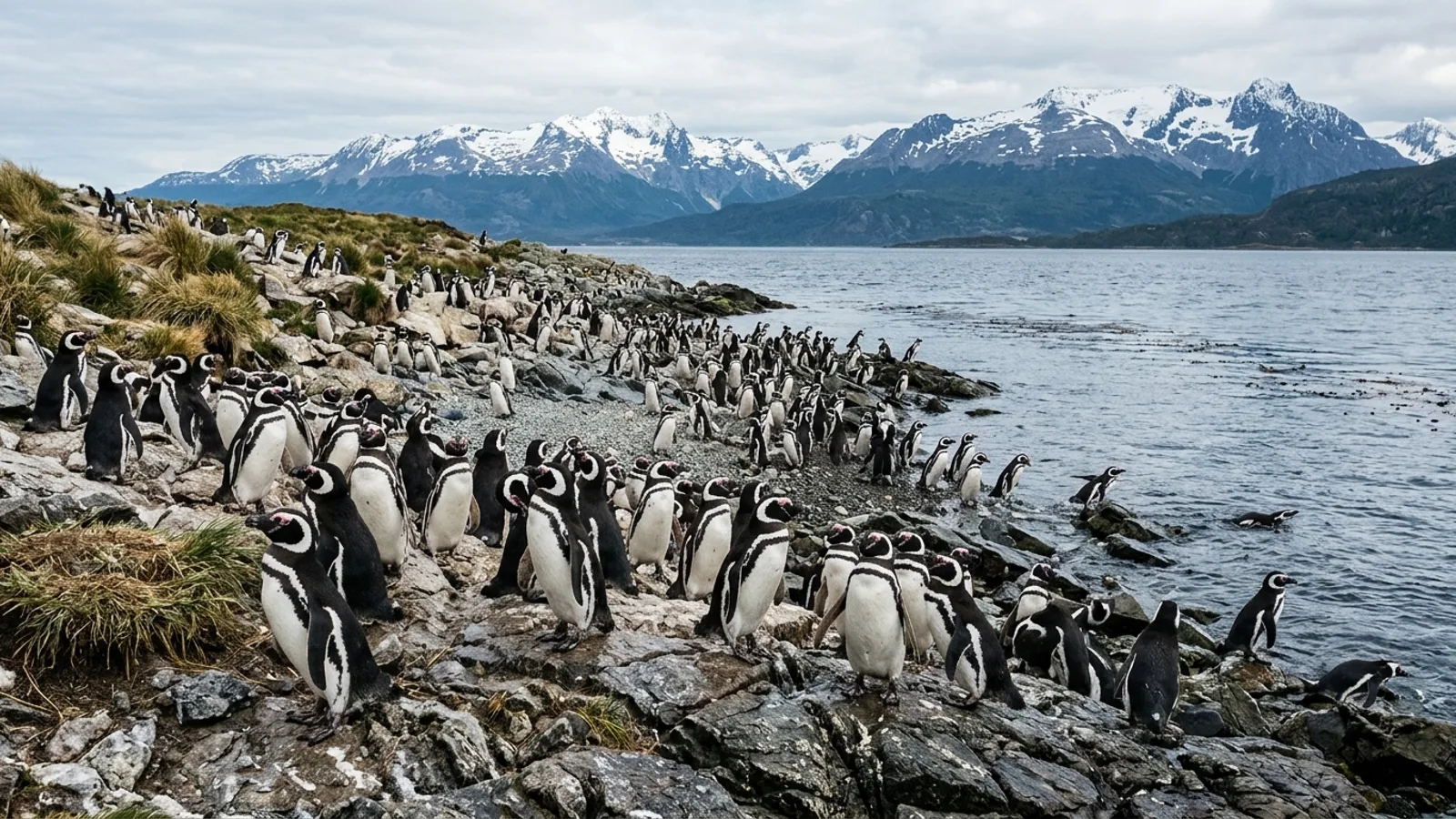
How to See Penguins in Ushuaia from Your Cruise Ship: Martillo Island & Beagle Channel Guide (2026/2027)
Want to see penguins from your cruise ship in Ushuaia? Compare the 6-hour Martillo Island penguin navigation vs. the 3-hour Beagle Channel & Bridges Island tour.
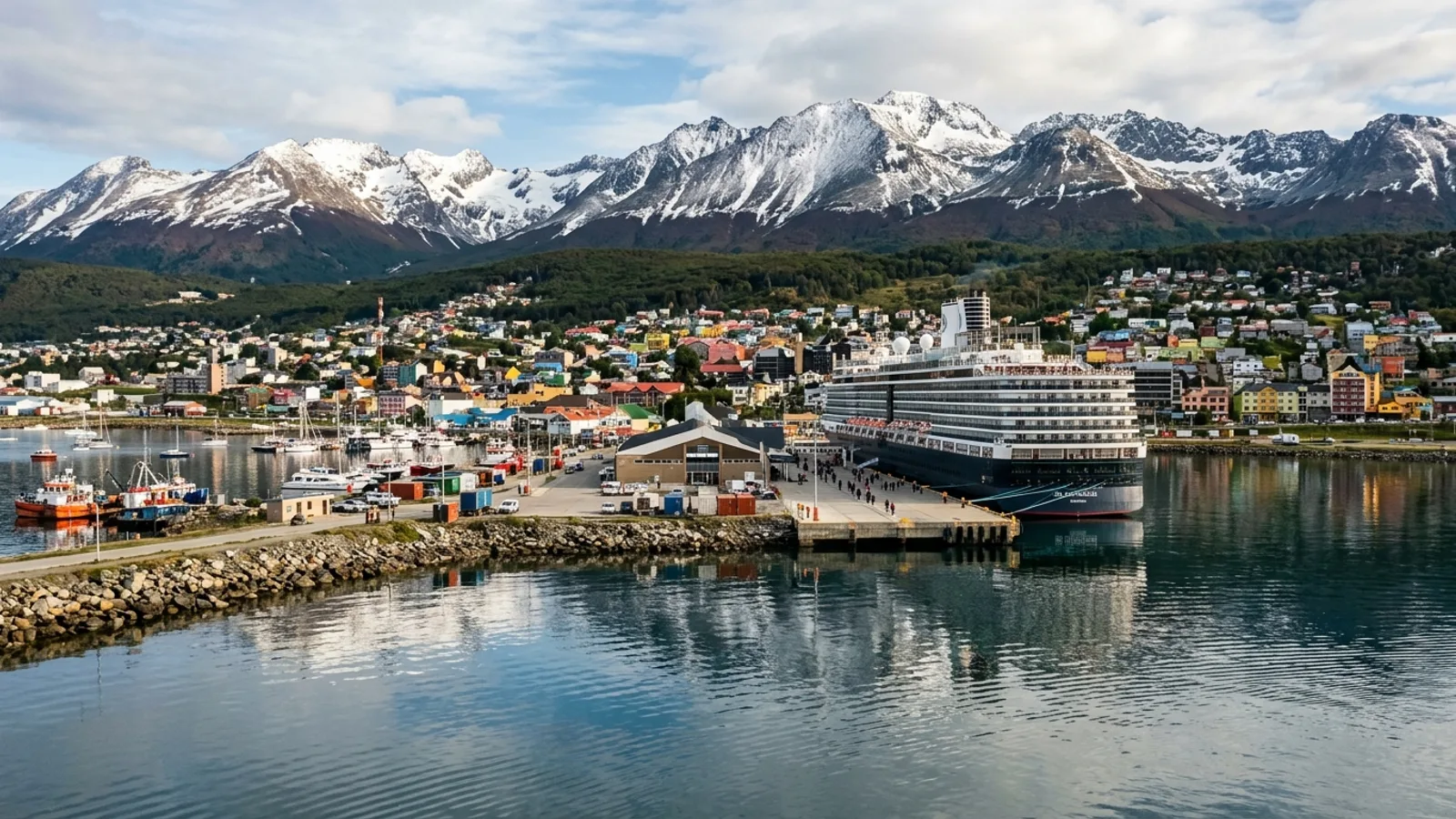
How to Spend One Day in Ushuaia: The Ultimate Cruise Port Guide (2026/2027)
Making a port call in Ushuaia? Compare Tierra del Fuego National Park and Beagle Channel tours, pier logistics, and how to combine both in one day.